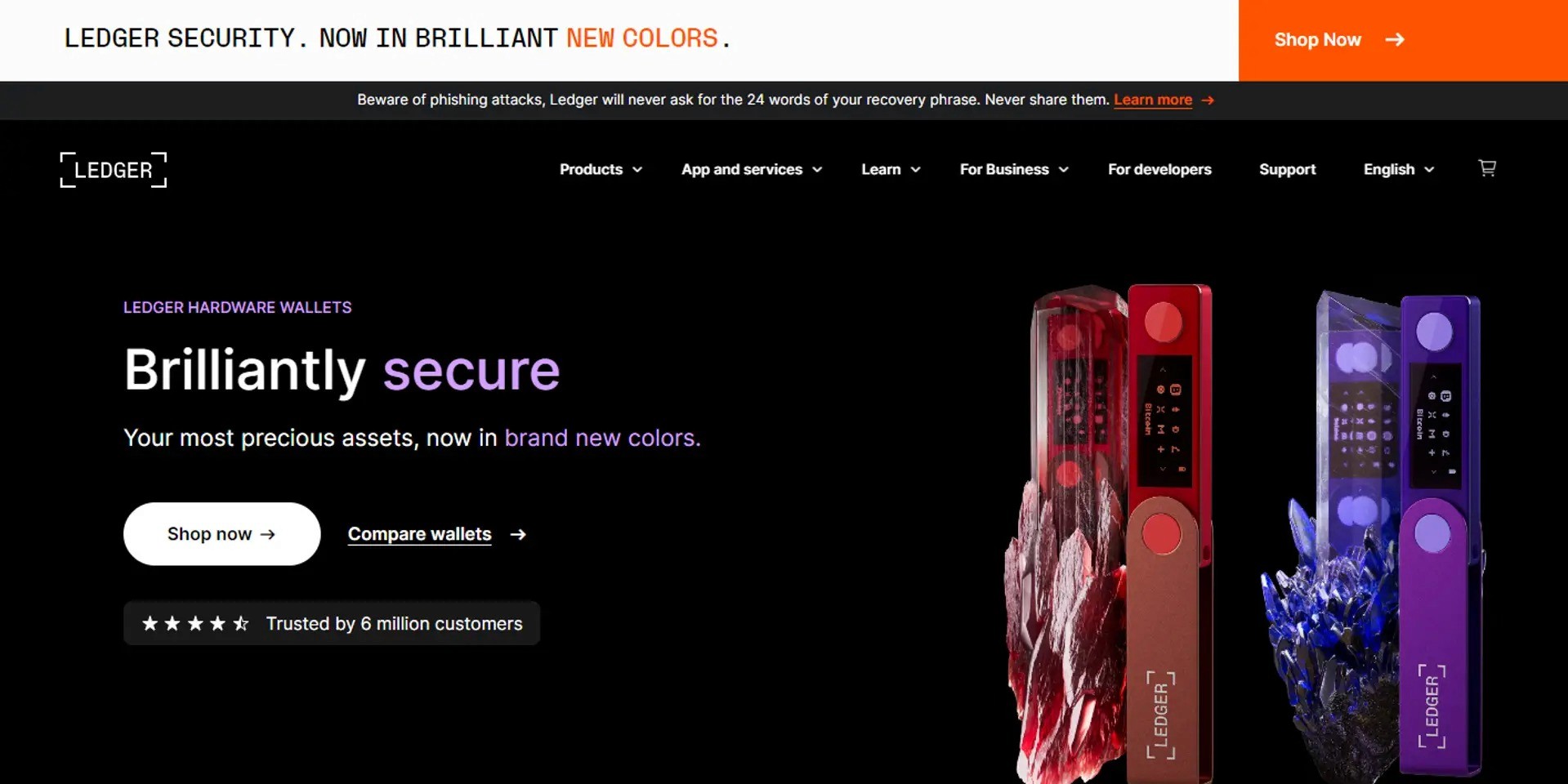
Ledger Login:
Cryptocurrency security is one of the most critical concerns for digital asset holders today. With increasing cyber threats, phishing attacks, and exchange hacks, users are turning toward hardware wallets for maximum protection. Among these, Ledger has emerged as one of the most trusted names in crypto security. At the core of managing your Ledger device and digital assets lies the Ledger Login process.
This comprehensive guide explores everything you need to know about Ledger Login—from understanding what it is, how it works, step-by-step login instructions, common issues, security best practices, and tips for safe access. Whether you are a beginner or an experienced crypto user, this guide will help you navigate Ledger Login with confidence.
What Is Ledger Login?
Ledger Login refers to the secure authentication process that allows users to access their Ledger hardware wallet through the Ledger Live application. Unlike traditional logins that rely on usernames and passwords, Ledger Login is built on hardware-based authentication and cryptographic security.
Instead of storing private keys online, Ledger keeps them offline within a secure chip inside the hardware wallet. This means your login process is tied directly to your physical device, making unauthorized access extremely difficult.
Understanding Ledger and Its Ecosystem
Before diving deeper into Ledger Login, it’s important to understand the Ledger ecosystem.
Ledger offers two main hardware wallet models:
Ledger Nano S Plus
Ledger Nano X
Both devices work in combination with Ledger Live, a desktop and mobile application that enables users to:
View crypto balances
Send and receive cryptocurrencies
Install and manage apps
Stake supported assets
Access DeFi and NFT platforms
Ledger Login is essentially the gateway that connects your Ledger device to Ledger Live securely.
How Ledger Login Works
Unlike web-based logins, Ledger Login does not involve creating an online account with a password. Instead, authentication is performed through:
Your Ledger hardware wallet
A PIN code
Physical confirmation using device buttons
When you initiate Ledger Login, Ledger Live verifies your identity through the connected device. Since the private keys never leave the device, even malware on your computer cannot access your funds.
Ledger Live: The Core of Ledger Login
Ledger Login happens through the Ledger Live application, which is available for:
Windows
macOS
Linux
Android
iOS
Ledger Live acts as a secure interface between you and the blockchain. Without Ledger Live, Ledger Login is not possible.
Once installed, Ledger Live detects your device and prompts you to authenticate by entering your PIN directly on the hardware wallet.
Step-by-Step Guide to Ledger Login
Step 1: Download and Install Ledger Live
Ensure that you download Ledger Live from the official Ledger website. Installing from unofficial sources may expose you to malicious software.
Step 2: Connect Your Ledger Device
Use a USB cable (or Bluetooth for Ledger Nano X) to connect your device to your computer or mobile phone.
Step 3: Unlock Your Ledger Device
Enter your PIN code directly on the hardware wallet. This step is critical, as entering the PIN incorrectly multiple times may reset the device.
Step 4: Open Ledger Live
Launch the Ledger Live application. It will automatically detect your connected Ledger device.
Step 5: Authenticate the Connection
Ledger Live will prompt you to confirm the connection on your hardware wallet. Approve the request by pressing the device buttons.
Once completed, you are successfully logged in and can manage your crypto assets.
Ledger Login Without Username or Password
One of the most distinctive features of Ledger Login is that it does not rely on traditional credentials. There is:
No username
No password
No centralized account
Instead, security is ensured through:
Physical possession of the device
Knowledge of the PIN
Secure element technology
This design significantly reduces the risk of credential theft and phishing attacks.
Ledger Login on Mobile Devices
Ledger Login is also available on smartphones through the Ledger Live mobile app.
Ledger Nano X Mobile Login
Ledger Nano X supports Bluetooth, making mobile Ledger Login seamless. After pairing the device with your phone, you can log in securely without cables.
Security on Mobile
Even on mobile devices, Ledger Login maintains the same high security standards. Transactions must be approved on the physical device, ensuring protection against mobile malware.
Common Ledger Login Issues and Solutions
Ledger Device Not Detected
Ensure the USB cable is working
Try a different USB port
Restart Ledger Live
Update device firmware
Incorrect PIN Code
If you enter the wrong PIN three times, the device will reset. You can recover your wallet using your 24-word recovery phrase.
Ledger Live Stuck on Login
Update Ledger Live to the latest version
Clear cache within Ledger Live settings
Reinstall the application if necessary
Ledger Login Security Features
Ledger Login is designed with advanced security features that make it one of the safest login systems in the crypto industry.
Secure Element Chip
Ledger devices use certified Secure Element (SE) chips, similar to those used in passports and credit cards.
Offline Private Key Storage
Private keys are never exposed to the internet, even during login or transactions.
Physical Verification
Every login and transaction requires manual confirmation on the device.
Ledger Login and Recovery Phrase
Your 24-word recovery phrase is the ultimate backup for your Ledger wallet.
Why It Matters
If your Ledger device is lost, damaged, or reset, you can restore access using this phrase.
Important Security Tip
Never enter your recovery phrase during Ledger Login or on any website. Ledger will never ask for it.
Ledger Login vs Exchange Login
FeatureLedger LoginExchange LoginPrivate Key ControlUser-ownedExchange-ownedInternet ExposureOfflineOnlineLogin MethodHardware-basedUsername & PasswordHack RiskVery LowHigh
Ledger Login offers superior security compared to centralized exchange logins.
Using Ledger Login with DeFi and dApps
Ledger Login also allows secure access to decentralized finance (DeFi) platforms and decentralized applications (dApps).
By connecting Ledger Live or third-party wallets (like MetaMask) to your Ledger device, you can authenticate transactions securely without exposing private keys.
Ledger Login Best Practices
Keep Ledger Live Updated
Updates include security patches and performance improvements.
Protect Your PIN
Choose a strong PIN and never share it with anyone.
Store Recovery Phrase Offline
Write it down and store it in a secure, offline location.
Beware of Phishing Attempts
Only use official Ledger software and websites.
What to Do If Ledger Login Is Compromised
If you suspect unauthorized access:
Immediately move funds to a new wallet
Reset your Ledger device
Generate a new recovery phrase
Secure your system against malware
Ledger Login itself is extremely secure, but user vigilance is essential.
Future of Ledger Login
Ledger continues to innovate, integrating biometric authentication, improved mobile usability, and expanded Web3 features. The Ledger Login experience is expected to become even more seamless while maintaining top-tier security.
Conclusion
Ledger Login is more than just a way to access your wallet—it is a comprehensive security system designed to protect your digital assets. By combining hardware-based authentication, offline private key storage, and user-controlled verification, Ledger Login sets the gold standard for crypto security.
Whether you are holding Bitcoin, Ethereum, NFTs, or engaging with DeFi platforms, understanding and using Ledger Login correctly ensures that your assets remain safe from online threats. By following best practices and staying informed, you can take full advantage of Ledger’s powerful security ecosystem with confidence and peace of mind.