Ledger Login:
As cryptocurrency adoption continues to grow, so do the risks associated with digital asset storage and access. Hacks, scams, phishing emails, and compromised passwords have become common threats in the crypto space. To counter these risks, hardware wallets have emerged as the most reliable solution for safeguarding digital currencies. One of the most trusted hardware wallet brands is Ledger, and at the center of its ecosystem is the Ledger Login process.
Ledger Login is not just a way to access funds—it is a security framework designed to protect ownership, prevent unauthorized access, and ensure full control over crypto assets. This guide provides a detailed explanation of Ledger Login, how it works, why it is safer than traditional login systems, and how users can maximize its security benefits.
Understanding Ledger Login
Ledger Login refers to the secure authentication method used when connecting a Ledger hardware wallet to the Ledger Live application. Instead of relying on cloud-based credentials, Ledger Login is based on physical device verification combined with cryptographic security.
Access is granted only when:
The Ledger hardware wallet is physically connected
The correct PIN is entered on the device
The user confirms access using device buttons
This method ensures that only the rightful owner can access and manage the wallet.
Why Ledger Login Is Essential in Today’s Crypto Environment
The cryptocurrency ecosystem operates without centralized authorities, which makes security the responsibility of the user. Traditional logins using passwords and emails are highly vulnerable to cyber threats.
Ledger Login addresses these risks by:
Eliminating online passwords
Preventing remote access
Keeping private keys offline
Requiring physical confirmation
As a result, Ledger Login significantly reduces the chances of unauthorized access.
Overview of the Ledger Hardware Wallet
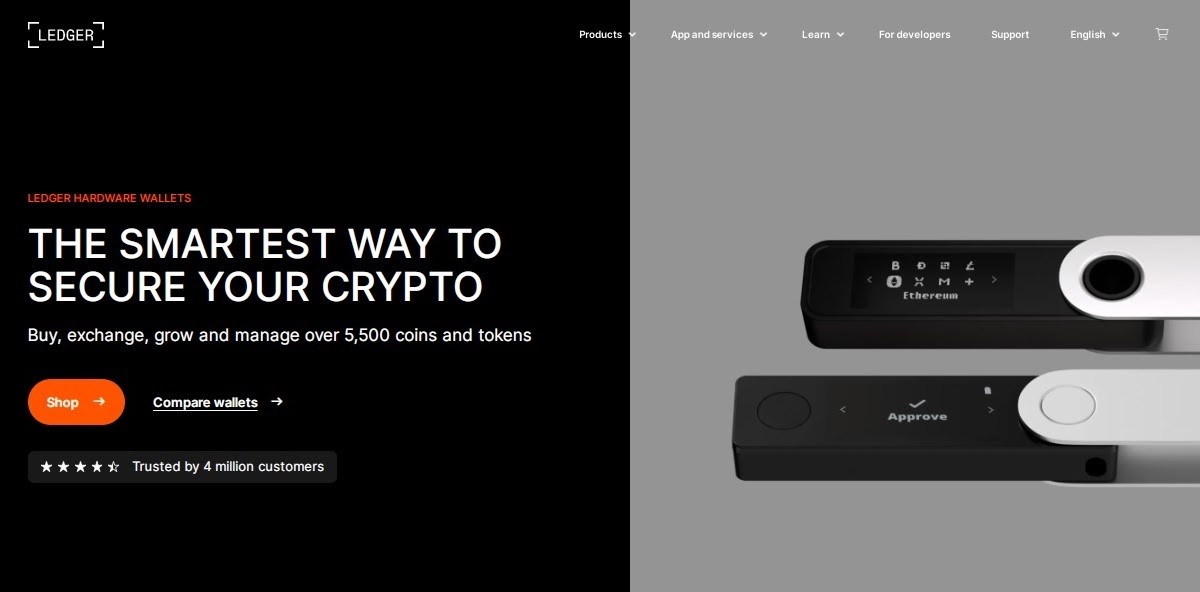
Ledger hardware wallets are compact devices designed to store private keys securely in an isolated environment. The most commonly used models include:
Ledger Nano S Plus – USB-based, ideal for desktop use
Ledger Nano X – USB and Bluetooth support, ideal for mobile users
Each Ledger device contains a Secure Element chip, which protects sensitive data from both software and physical attacks.
Ledger Live and Its Connection to Ledger Login
Ledger Login is performed through Ledger Live, the official application developed by Ledger. Ledger Live acts as a control center for managing crypto assets.
Through Ledger Live, users can:
Monitor account balances
Install and manage blockchain apps
Send and receive cryptocurrencies
Stake supported assets
Interact with NFTs and decentralized applications
Ledger Login ensures that Ledger Live can only be accessed when a verified device is connected.
How Ledger Login Works: Technical Overview
When a user initiates Ledger Login, the following process occurs:
Ledger Live scans for a connected Ledger device
The user unlocks the device using a PIN
The Secure Element verifies cryptographic authenticity
Ledger Live establishes a trusted session
At no point are private keys transmitted or exposed. This design ensures complete isolation from online threats.
Step-by-Step Guide to Ledger Login
Step 1: Install Ledger Live
Download Ledger Live from the official Ledger website and complete the installation.
Step 2: Connect the Ledger Device
Connect your Ledger wallet using a USB cable or Bluetooth (Nano X only).
Step 3: Unlock the Device
Enter your PIN directly on the Ledger device.
Step 4: Open Ledger Live
Launch the Ledger Live application and wait for device detection.
Step 5: Confirm Login
Approve the connection request by pressing the physical buttons on the Ledger device.
Once these steps are completed, you have successfully logged in.
Why Ledger Login Does Not Require a Username or Password
Password-based systems are inherently flawed. They can be stolen, guessed, or leaked through data breaches. Ledger Login avoids these risks by removing passwords entirely.
Instead, it relies on:
Physical ownership of the device
PIN-based device access
On-device cryptographic verification
This approach makes Ledger Login immune to most online attack methods.
Ledger Login on Desktop Platforms
Ledger Login on desktop systems is ideal for users who require advanced asset management features.
Supported operating systems include:
Windows
macOS
Linux
Desktop login allows users to manage multiple accounts, install apps, and interact with advanced blockchain features efficiently.
Ledger Login on Mobile Devices
Mobile Ledger Login offers convenience without sacrificing security.
Bluetooth Login with Ledger Nano X
The Nano X supports Bluetooth connectivity, allowing wireless login on smartphones.
Security Measures
Even with Bluetooth, all approvals happen on the physical device. Private keys remain offline at all times.
Supported Assets and Ledger Login Compatibility
Ledger Login supports access to thousands of cryptocurrencies and tokens, including:
Bitcoin (BTC)
Ethereum (ETH)
Binance Coin (BNB)
Cardano (ADA)
Polkadot (DOT)
Avalanche (AVAX)
NFTs and stablecoins
Each asset requires a corresponding blockchain app installed on the device.
Ledger Login and Transaction Authorization
Logging in does not mean funds can move freely. Every transaction must be approved manually.
This includes:
Reviewing transaction details on the device screen
Confirming amounts and addresses
Approving using physical buttons
This ensures transparency and prevents unauthorized transfers.
Common Ledger Login Issues and Their Solutions
Ledger Device Not Detected
Use a different USB cable
Change USB ports
Restart Ledger Live
Update firmware
Incorrect PIN Attempts
After several incorrect attempts, the device resets. Funds can be restored using the recovery phrase.
Ledger Live Crashes
Clear application cache
Reinstall Ledger Live
Check system compatibility
Understanding the Recovery Phrase and Its Role
The 24-word recovery phrase is generated during initial setup and serves as the master key to your wallet.
Why It Is Important
Restores wallet access
Recovers assets on a new device
Protects against hardware loss
Security Warning
Never enter your recovery phrase during Ledger Login or on any website. Ledger Login never requires it.
Ledger Login vs Software Wallet Login
FeatureLedger LoginSoftware WalletKey StorageOfflineOnlineLogin MethodHardware-basedPassword-basedRisk LevelVery LowModerate to HighUser ControlFullPartial
Ledger Login offers superior security and control compared to software wallets.
Using Ledger Login with DeFi and Web3 Applications
Ledger Login can be used to access decentralized platforms by connecting Ledger to third-party wallets.
Supported integrations include:
Browser wallets
DeFi dashboards
NFT marketplaces
Web3 authentication tools
This enables safe interaction with blockchain applications while keeping private keys protected.
Best Practices for Secure Ledger Login
Always Verify Software Sources
Download Ledger Live only from official sources.
Protect the PIN
Use a strong PIN and avoid predictable combinations.
Store Recovery Phrase Securely
Keep it offline in a safe, durable location.
Disconnect After Use
Unplug the device when not actively managing assets.
What Happens If Someone Steals Your Ledger Device
Even if the device is stolen:
Funds remain inaccessible without the PIN
Incorrect PIN attempts reset the device
Assets can be restored using the recovery phrase
Ledger Login ensures security even in theft scenarios.
Ledger Login and User Privacy
Ledger Login does not require personal information. There is:
No email-based account
No identity verification
No centralized data storage
This preserves privacy while maintaining security.
The Evolution and Future of Ledger Login
Ledger continues to refine its login process by enhancing:
Mobile functionality
Web3 compatibility
Device authentication
User experience design
Future developments aim to simplify access without compromising security.
Conclusion
Ledger Login is a robust, hardware-based authentication system designed to protect digital assets in an increasingly risky online environment. By eliminating passwords, storing private keys offline, and requiring physical confirmation, Ledger Login provides unmatched security and user control.
For anyone serious about cryptocurrency ownership, understanding and properly using Ledger Login is essential. It offers not only protection against cyber threats but also peace of mind, knowing that your assets are secured by one of the most trusted systems in the industry.