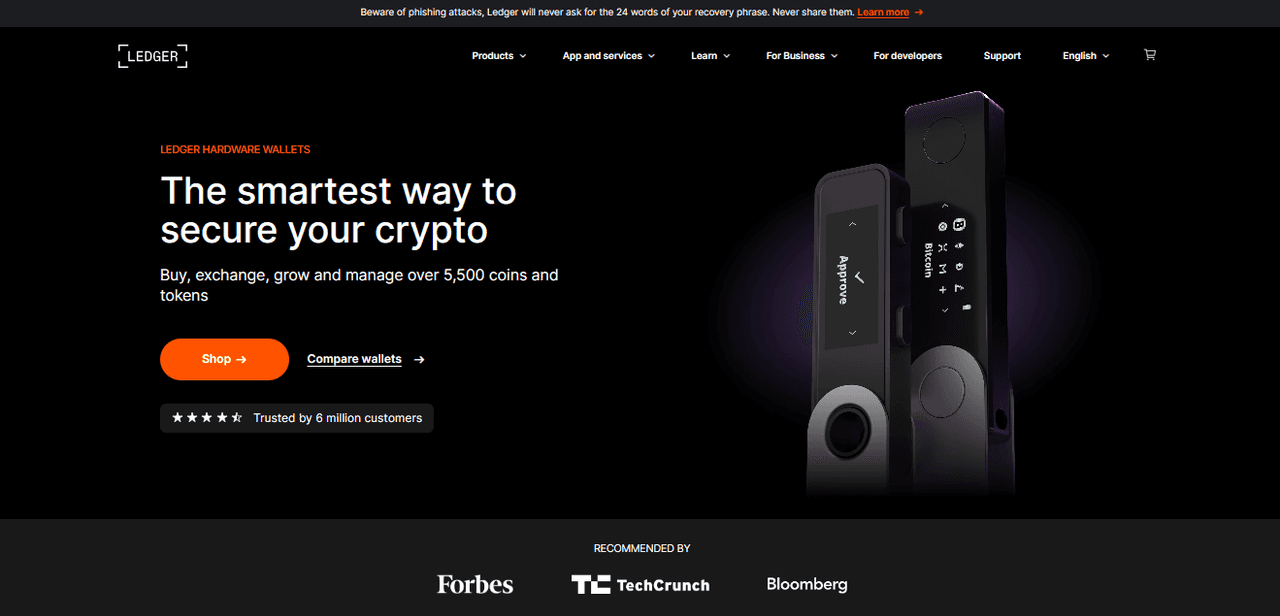
Ledger Login: Secure Access to Your Cryptocurrency Wallet
As digital currencies continue to grow in popularity, the need for reliable and secure wallet solutions has become more important than ever. Cybercrime, phishing attacks, and exchange breaches have made traditional login systems increasingly vulnerable. This is where Ledger Login stands out as a trusted and highly secure method for accessing cryptocurrency assets.
Ledger Login does not function like a typical username-and-password system. Instead, it relies on hardware-based authentication that gives users complete control over their digital wealth. This article provides a fresh and in-depth look at Ledger Login, explaining how it works, why it is secure, how to use it properly, and how to avoid common mistakes.
What Is Ledger Login?
Ledger Login is the authentication process used to access and manage cryptocurrency assets stored on a Ledger hardware wallet through the Ledger Live application. Unlike centralized platforms, Ledger does not store user credentials or private keys online.
The login process requires:
A physical Ledger hardware wallet
A user-defined PIN code
Manual confirmation on the device
This approach ensures that access is granted only to the person who physically possesses the Ledger device.
Why Ledger Login Is Different from Traditional Logins
Most online platforms depend on email addresses, passwords, and two-factor authentication. While these methods offer some protection, they remain vulnerable to hacking, malware, and data breaches.
Ledger Login eliminates these risks by:
Removing password-based authentication
Preventing remote access
Keeping private keys offline at all times
This design significantly reduces the attack surface, making Ledger Login one of the safest access methods in the crypto ecosystem.
The Role of Ledger Live in Ledger Login
Ledger Login works exclusively through Ledger Live, the official software application developed by Ledger. Ledger Live acts as a secure dashboard where users can view balances, send and receive crypto, manage apps, and interact with blockchain networks.
Ledger Live is available on:
Windows
macOS
Linux
Android
iOS
Without Ledger Live, users cannot complete the Ledger Login process or manage their assets.
How Ledger Login Works Behind the Scenes
When you initiate Ledger Login, the authentication process happens in several layers:
Ledger Live checks for a connected device
The user unlocks the device with a PIN
The secure element inside the device verifies authenticity
Ledger Live establishes a trusted connection
At no point are private keys exposed to the computer, phone, or internet. This isolation is what makes Ledger Login exceptionally secure.
Step-by-Step Guide to Ledger Login
Step 1: Install Ledger Live
Download Ledger Live only from the official Ledger website. Using unofficial software may compromise your wallet.
Step 2: Connect Your Ledger Device
Connect your Ledger Nano S Plus using a USB cable, or connect your Ledger Nano X via USB or Bluetooth.
Step 3: Enter Your PIN Code
Unlock the device by entering your PIN directly on the hardware wallet. This prevents keyloggers from capturing sensitive information.
Step 4: Launch Ledger Live
Open the Ledger Live application. It will automatically recognize your Ledger device.
Step 5: Confirm the Connection
Approve the connection request on your Ledger device by pressing the physical buttons.
Once completed, Ledger Login is successful and you can manage your assets securely.
Ledger Login Without Internet-Based Credentials
One of the most powerful aspects of Ledger Login is the absence of online credentials. There is no:
Email registration
Password database
Cloud-based account
Instead, Ledger Login relies on cryptographic proof stored inside the device. This ensures that even if Ledger Live or your computer is compromised, your assets remain protected.
Ledger Login on Mobile Devices
Ledger Login is not limited to desktop computers. Mobile users can log in securely using the Ledger Live mobile app.
Ledger Nano X Mobile Login
Ledger Nano X supports Bluetooth connectivity, allowing users to log in wirelessly. Each action still requires physical confirmation on the device, maintaining full security.
Mobile Security Advantages
Even if your phone is infected with malware, attackers cannot access your crypto without the physical Ledger device and PIN.
Supported Cryptocurrencies and Ledger Login
Ledger Login supports thousands of cryptocurrencies, including:
Bitcoin (BTC)
Ethereum (ETH)
Binance Coin (BNB)
Ripple (XRP)
Cardano (ADA)
Solana (SOL)
NFTs and ERC-20 tokens
Ledger Live allows you to install apps for each blockchain, and Ledger Login ensures secure access to all supported assets.
Ledger Login and Transaction Approval
Logging in is only the first step. Every transaction requires manual approval on the Ledger device.
This means:
Transactions cannot be executed silently
Malware cannot send funds without your consent
Each action must be verified on-screen
Ledger Login ensures that you remain in full control of every transaction.
Common Ledger Login Problems and Fixes
Device Not Recognized
Try a different USB cable
Switch USB ports
Restart Ledger Live
Update firmware
PIN Code Errors
Entering the wrong PIN multiple times will reset the device. You can restore access using your recovery phrase.
Ledger Live Login Freezing
Clear Ledger Live cache
Update the application
Reinstall Ledger Live if needed
Ledger Login and Recovery Phrase Explained
The 24-word recovery phrase is the most important backup for your Ledger wallet.
Purpose of the Recovery Phrase
It allows you to recover your assets if:
Your device is lost
Your device is damaged
The device resets after PIN failures
Security Warning
Never enter your recovery phrase during Ledger Login or on any website. Ledger Login never requires it.
Ledger Login vs Hot Wallet Login
FeatureLedger LoginHot Wallet LoginPrivate Key StorageOfflineOnlineLogin MethodHardware-basedPassword-basedRisk of HacksExtremely LowHighUser ControlFullLimited
Ledger Login offers far superior security compared to software-only wallets.
Using Ledger Login with DeFi Platforms
Ledger Login can be integrated with decentralized applications such as:
DeFi protocols
NFT marketplaces
Web3 platforms
By connecting Ledger to browser wallets like MetaMask, users can authenticate transactions securely without exposing private keys.
Best Practices for Safe Ledger Login
Keep Software Updated
Always update Ledger Live and firmware to benefit from security improvements.
Protect Your Recovery Phrase
Store it offline in a secure location. Never photograph or store it digitally.
Avoid Phishing Attempts
Ledger will never ask for your recovery phrase or PIN.
Use a Secure Environment
Avoid logging in on public or compromised devices.
What Happens If You Lose Your Ledger Device?
If your Ledger device is lost:
Your funds remain safe
No one can access them without the PIN
You can restore your wallet using the recovery phrase on a new device
Ledger Login ensures that loss of hardware does not mean loss of funds.
The Future of Ledger Login
Ledger continues to improve the login experience by enhancing:
Mobile integration
Web3 authentication
User interface security
Future developments aim to make Ledger Login even more user-friendly while maintaining its unmatched security standards.
Conclusion
Ledger Login represents one of the most secure authentication systems in the cryptocurrency industry. By eliminating passwords, storing private keys offline, and requiring physical verification, Ledger Login gives users full ownership and protection of their digital assets.
Whether you are a long-term investor, an active trader, or a DeFi enthusiast, understanding Ledger Login is essential for maintaining crypto security. With the right practices and awareness, Ledger Login provides peace of mind in an increasingly digital financial world.